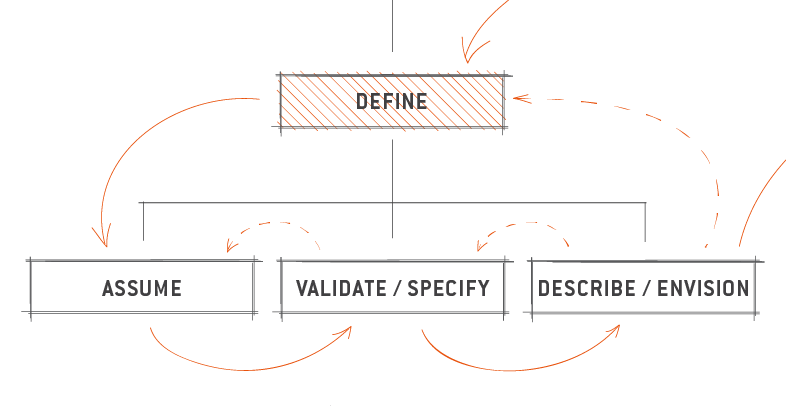
 In this phase, you conduct design activities to define your design space.The goal of this phase is to validate your initial assumptions of what to design, by generating specific knowledge on the needs, preferences and experiences your target group has in relation to a chosen problem/opportunity and context of use. You will design and conduct a couple of user research activities, namely interviews and observations, to get the necessary knowledge. Then you will translate this knowledge into useful design artefacts namely persona, interaction scenario, UX vision, task analysis and user flows to define the interaction style and provide input to the conceptualise phase.
[wc_toggle title=”Week 1″ layout=”box”]
Goal
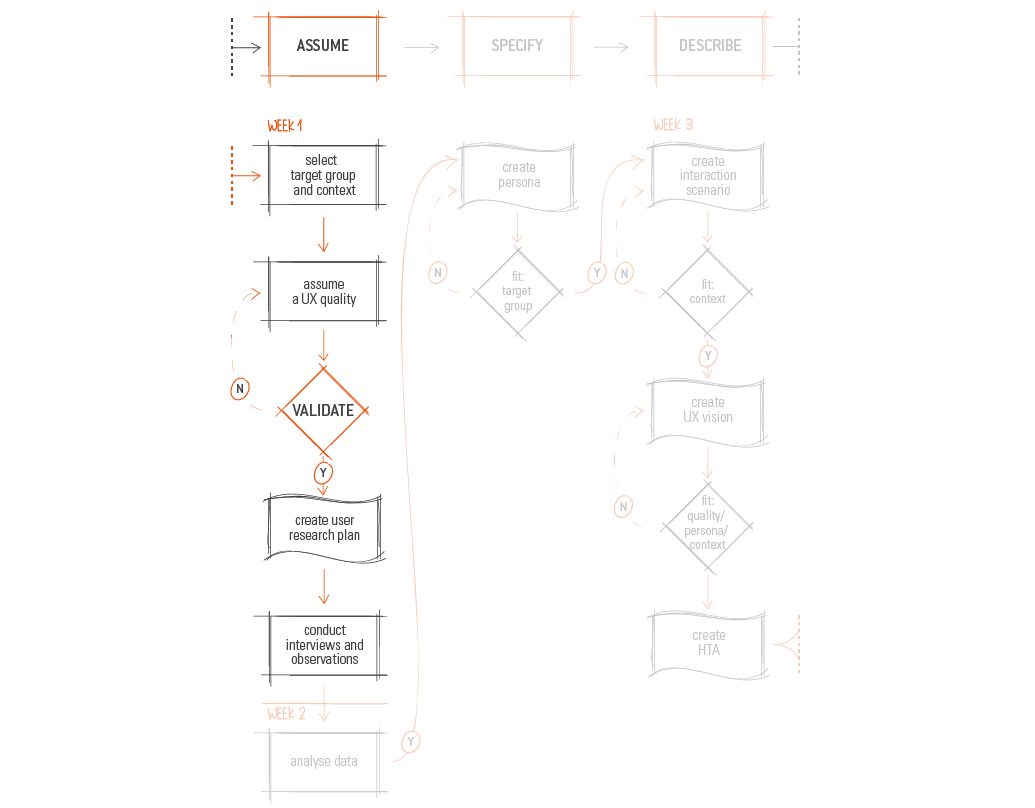
The goal of this week is to validate your initial choices by gathering the knowledge needed with your target group and in the chosen context of use. You will first design a user research plan with clear goals (research questions) and procedure (protocol, materials, etc.), and you will conduct at least 3 interviews and field observations (in context!).
Methods
[wc_row][wc_column size=”one-half” position=”first”]
[wc_box color=”secondary” text_align=”left”]
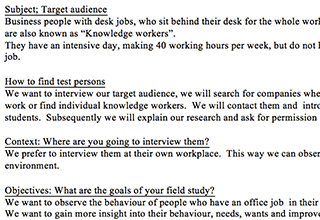
User research plan
[/wc_box]
[/wc_column][wc_column size=”one-half” position=”last”]
[/wc_column][/wc_row]
[/wc_toggle]
[wc_toggle title=”Week 2″ layout=”box”]
Goal
The goal in this week is to lorem ipsum dolor sit amet, consectetuer adipiscing elit. Aenean commodo ligula eget dolor. Aenean massa. Cum sociis natoque penatibus et magnis dis parturient montes, nascetur ridiculus mus. Donec quam felis, ultricies nec, pellentesque eu, pretium quis, sem.
Methods
[wc_row][wc_column size=”one-half” position=”first”]
[wc_box color=”secondary” text_align=”left”]
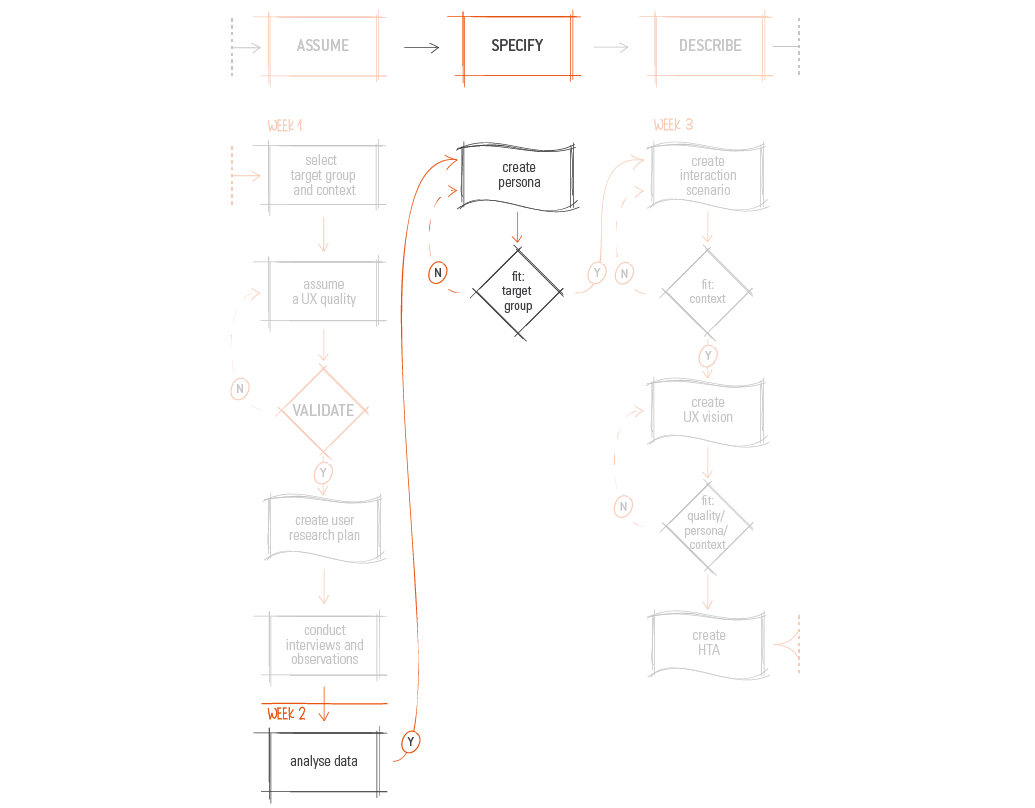
Persona

[/wc_box]
[/wc_column][wc_column size=”one-half” position=”last”]
[/wc_column][/wc_row]
[/wc_toggle]
[wc_toggle title=”Week 3″ layout=”box”]
Goal
The goal in this week is to lorem ipsum dolor sit amet, consectetuer adipiscing elit. Aenean commodo ligula eget dolor. Aenean massa. Cum sociis natoque penatibus et magnis dis parturient montes, nascetur ridiculus mus. Donec quam felis, ultricies nec, pellentesque eu, pretium quis, sem.

Methods
[wc_row][wc_column size=”one-half” position=”first”]
[wc_box color=”secondary” text_align=”left”]
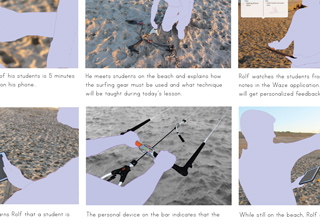
Interaction scenario
[/wc_box]
[/wc_column][wc_column size=”one-half” position=”last”]
[wc_box color=”secondary” text_align=”left”]
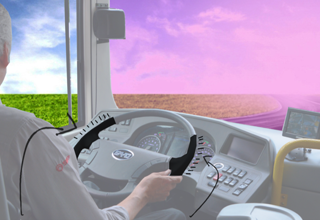
UX Vision
[/wc_box]
[/wc_column][/wc_row]
[wc_row][wc_column size=”one-half” position=”first”]
[wc_box color=”secondary” text_align=”left”]
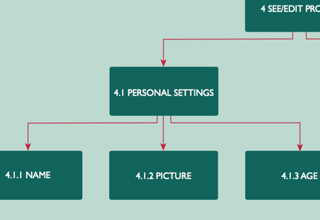
Hierarchical Task Analyses (HTA)
[/wc_box]
[/wc_column][wc_column size=”one-half” position=”last”]
[/wc_column][/wc_row]
[/wc_toggle]
// conceptualize (week 4, 5, 6)
// demonstrate (week 7, 8, 9)